The AI Map: The Second Half of the Potential Map
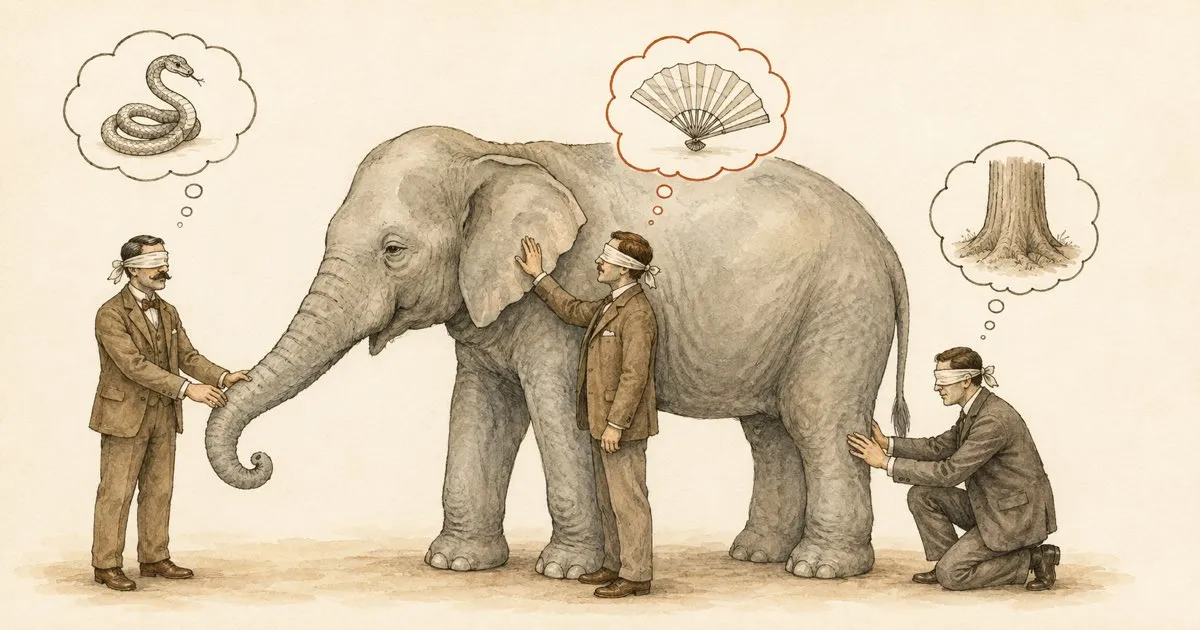
The AI map locates use cases by AI capability and degree of autonomy — the second, equal half of the potential map.
Read more →Notes from more than ten years of data and AI projects.
The AI map locates use cases by AI capability and degree of autonomy — the second, equal half of the potential map.
Read more →Which stream starts first, and what does the first step look like? Prioritise in a way that commits, then start with a proof of value that proves worth and leaves capabilities behind.
Read more →Three circles, one centre: why data and AI initiatives fail predictably when business, people or technology is missing, and how you can hear the gap in the corridor.
Read more →Five-year roadmaps claim a range of vision nobody has. Why a horizon plan with four stages is the more durable structure for a data and AI journey.
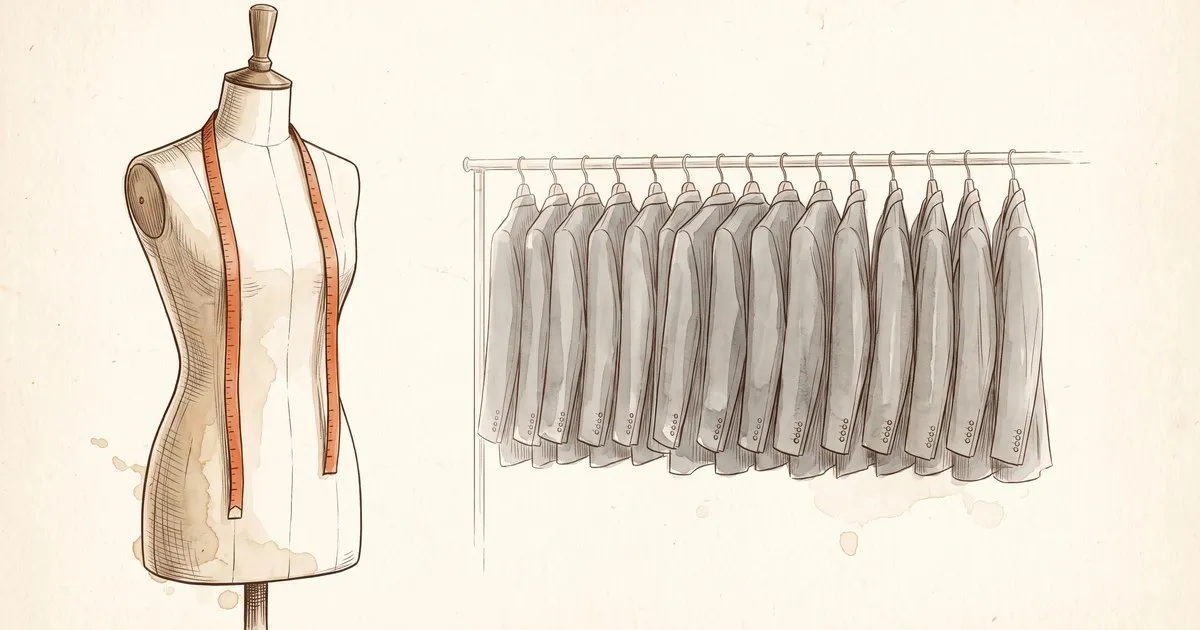
Read more →Off-the-peg software never fitted better than custom software. It was cheaper. When AI makes building cheap, that calculation shifts, and with it the question of what your company is actually special at.
Read more →A lightning bolt carries hundreds of kilowatt-hours and still charges no phone. Why data and AI potential only becomes measurable in a use case, and value only flows in a data product.
Read more →5 % more revenue, 5 % more productivity, 10 % lower costs: profit more than triples. The arithmetic behind it, and what it takes.
Read more →Sales, controlling and logistics mean different things by “customer” and “revenue”, and the AI blends them into a language nobody speaks. Why a dictionary helps, and how strategy, data catalogue and data platform write it.
Read more →From thirty sticky notes to four stations: how the potential map locates your use cases, reveals synergies and turns clusters into streams.
Read more →Measure, set a goal, train: the Strategic Quadrant contrasts operational maturity with strategic vision. And explains why not every company needs to be a pioneer.
Read more →Monet painted the harbour of Le Havre the way he saw it, not the way it was. Why companies do exactly the same, and what a data and AI strategy has to do with it.
Read more →